


Businesses operating in regulated industries face growing pressure to protect sensitive data while meeting increasingly complex compliance requirements. Whether the goal is aligning with HIPAA, PCI DSS, or other regulatory frameworks, strong identity controls play a critical role in reducing risk.
In fact, Verizon’s 2025 Data Breach Investigations Report found that credential abuse was involved in more than 30% of breaches, underscoring the importance of effective identity and access management.

Why Identity and Access Management Matters
Identity and access management compliance goes beyond verifying who can log in. It ensures that employees, contractors, and third-party users have access only to the systems and data they need to perform their roles, and nothing more. As organizations grow, adopt cloud services, or support hybrid work, managing access manually becomes increasingly difficult, creating opportunities for excessive permissions, dormant accounts, and unauthorized access.
Best Practices for Strengthening Identity Controls
One of the most effective ways to strengthen identity controls is to follow the principle of least privilege. By limiting user access to only what is required, organizations reduce the potential impact of compromised credentials or insider threats. Role-based access controls (RBAC) can further simplify access management by assigning permissions based on job responsibilities rather than individual users.
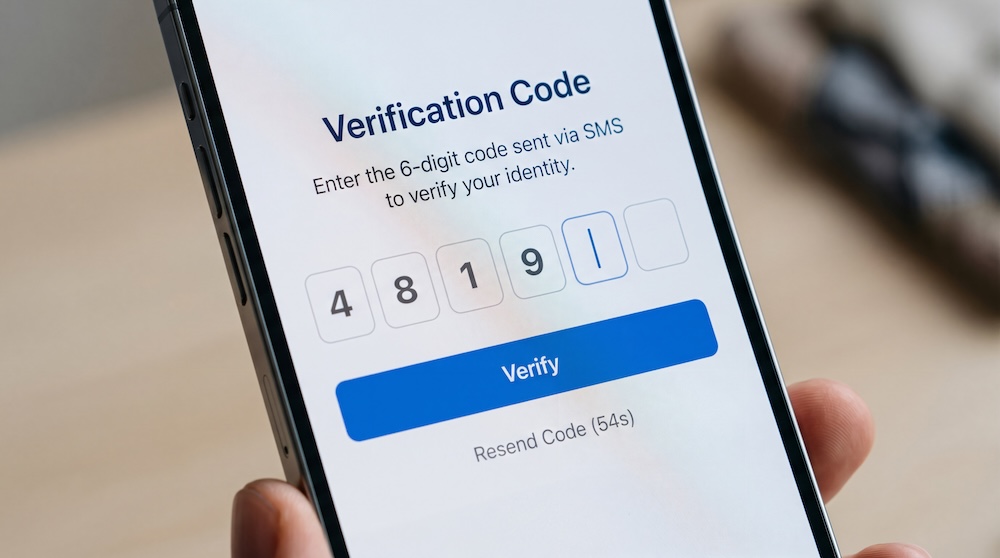
Multi-factor authentication (MFA) is another essential safeguard. Even if passwords are compromised, requiring a second form of verification significantly reduces the likelihood of unauthorized access. Combined with regular access reviews, MFA helps organizations maintain stronger security while supporting audit and compliance requirements.
Building Long-Term Compliance and Security
It’s also important to recognize that identity management needs ongoing attention. Employees change roles, contractors come and go, and business needs evolve. Periodic reviews of user accounts and permissions help ensure that access remains appropriate over time and identify inactive accounts or unnecessary privileges before they become security risks.
Strong identity controls can also reduce the administrative load on IT teams. Automating user provisioning, deprovisioning, and access approvals reduces administrative effort, minimizes human error, and creates clear audit trails that simplify compliance reporting. Rather than reacting to audit findings, organizations can take a proactive approach to demonstrating that access is managed consistently and securely.
In today’s regulatory environment, identity is one of an organization’s most valuable security boundaries. Strengthening identity controls helps protect sensitive information, supports regulatory compliance, and reduces the risk of costly security incidents. By implementing sound identity and access management practices, organizations can build a stronger security foundation while remaining prepared for future compliance requirements.
Strengthen Your Identity Security
Strong identity controls don’t happen by accident. If you’re evaluating your organization’s access management practices or preparing for compliance requirements, Optimized IT can help you identify gaps, implement stronger identity controls, and build a more secure IT environment. Contact Optimized IT to schedule a cybersecurity consultation.
Leave A Comment
You must be logged in to post a comment.